

Many homeowners overlook an important maintenance step: learning how to clean a washing machine filter regularly. This small but important part plays a major role in preventing drainage problems, odors, and unnecessary strain on internal components.
A neglected filter can contribute to drainage trouble and unpleasant smells. Understanding how buildup affects your washer can help you stay ahead of larger problems.
How to Clean a Washing Machine Filter to Prevent Drainage and Odor Problems
If your model includes an accessible drain filter, keeping it clean helps maintain proper water flow and protects the drain pump. The filter is designed to trap lint, hair, small debris, and foreign objects before they reach critical internal components.
When the filter becomes clogged, water may not drain efficiently. Over time, this can create odor issues, longer cycle times, and added strain on the pump.
For most households, checking and cleaning the filter every 1 to 3 months is a reasonable guideline. Homes with pets, heavy laundry use, or large families may need more frequent maintenance.
How to Clean a Washing Machine Filter
Learning how to clean a washing machine filter can help maintain proper drainage and reduce odor problems. While the exact location varies by manufacturer, many front-load washers place the filter behind a small access panel near the bottom of the machine.
Not all washers have a user-accessible filter—check your owner’s manual to see if yours does and where it’s located.
Follow these general steps when performing routine filter maintenance.
1. Turn Off and Unplug the Washer
For safety, always power off and unplug the appliance before opening the filter compartment.
2. Locate the Filter Access Panel
Most front-load washers have a small panel along the lower front of the machine. Opening this panel will reveal the drain pump filter and sometimes a small drain hose.
3. Prepare for Water Spillage
Place a shallow container or towel under the filter area. When the filter is removed, a small amount of trapped water may drain out.
4. Remove the Filter Slowly
Turn the filter cap counterclockwise and pull it out carefully. Remove any lint, hair, coins, or debris caught inside.
5. Rinse and Inspect the Filter
Rinse the filter under warm running water and wipe away residue. Inspect the housing area for any visible debris before reinstalling the filter.
6. Reinstall the Filter Securely
Insert the filter back into its housing and tighten it firmly to prevent leaks.
7. Run a Short Test Cycle
After reinstalling the filter, run a quick rinse or drain cycle to ensure the washer drains properly.
For most households, cleaning the filter every one to three months helps maintain efficient drainage and reduces strain on the drain pump.
Common Symptoms of a Dirty or Clogged Filter
Lint and Debris Buildup
Every load of laundry sheds lint, fabric fibers, and small particles. The filter captures this material to prevent it from entering the drain pump.
As lint accumulates, it can restrict water flow. Common signs include:
- Slow draining at the end of a cycle
- Water remaining in the drum
- Musty odors inside the washer
- Clothes feeling wetter than usual after spinning
A safe maintenance step is performing a visual inspection of the accessible filter area and removing visible lint or debris. Regular cleaning helps maintain drainage efficiency.
Coins and Foreign Objects Blocking the Filter
Small items left in pockets often make their way into the washer. Coins, buttons, and hair ties can become lodged in the filter area.
When foreign objects block the filter, you may notice:
- Rattling or clicking sounds
- Intermittent drainage problems
- Error codes related to draining
- The cycle stopping before completion
Continuing to run the washer with a blockage can strain the drain pump. If an object cannot be safely cleared during routine filter maintenance, a technician should inspect the appliance to prevent further damage.
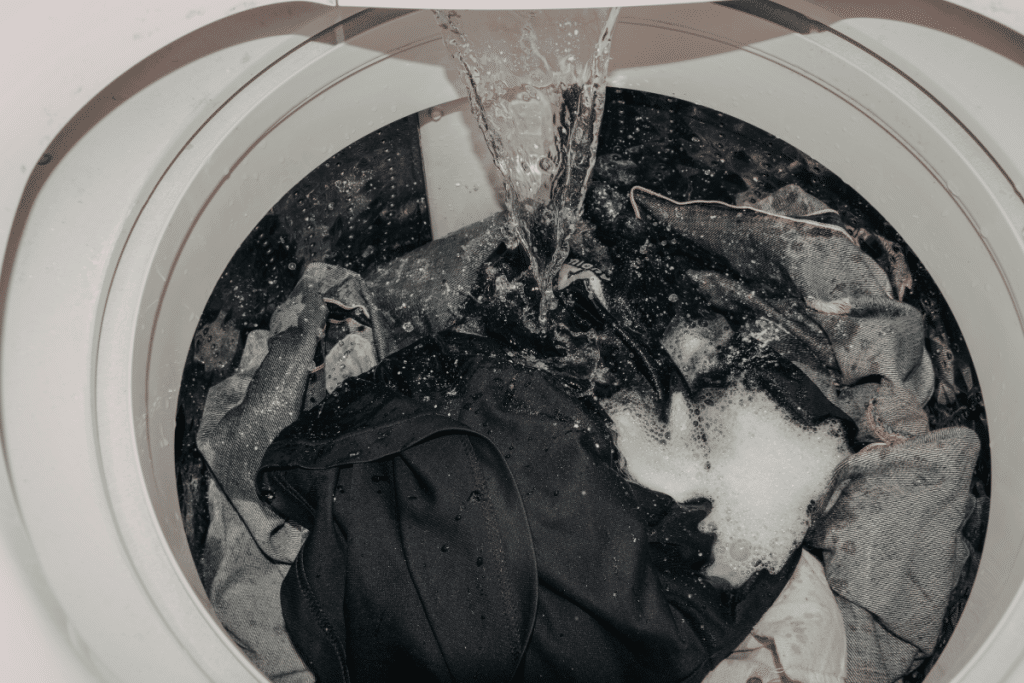
Drain Pump Strain from a Clogged Filter
The filter and drain pump work together to remove water at the end of each cycle. When the filter is heavily clogged, the pump must work harder to push water through the restriction.
Signs of pump strain may include:
- Humming sounds during the drain cycle
- Incomplete cycles
- Washer stopping mid-cycle
- Recurring drain-related error codes
Ignoring these warning signs can lead to pump failure over time. Drain pump replacement involves internal components and electrical systems that should always be handled by a trained technician.
Addressing filter maintenance early helps reduce unnecessary stress on the pump and extends the life of your washer.
Final Thoughts on How to Clean a Washing Machine Filter
Learning how to clean a washing machine filter is an important part of preventative appliance care. Regular inspection every 1 to 3 months can help reduce drainage issues, minimize odors, and protect the drain pump from excess strain.
If you are experiencing washer issues, our Beverly appliance repair professionals at Same Day Appliance Repair are available to help. Prompt service can prevent minor maintenance concerns from turning into more complex repairs.
