

If you’re noticing food in your freezer drying out, forming ice crystals, or losing its texture, your freezer causing freezer burn could be a sign that something isn’t working as it should.
Understanding the underlying causes of a freezer causing freezer burn can help you identify when the problem goes beyond simple adjustments and points to an issue with the appliance itself.
Freezer Causing Freezer Burn: Troubleshooting Tips
Freezer burn occurs when moisture escapes from food and forms ice crystals on its surface. This usually happens when food is exposed to air or when temperature conditions inside the freezer become unstable. If the problem keeps showing up, your freezer may not be maintaining the proper environment for food preservation.
In most cases, a freezer should stay at 0°F or below to keep food safely frozen and help prevent moisture loss. Freezer burn becomes more likely when temperatures fluctuate or rise above that point, causing food to partially thaw and refreeze.
Common signs of freezer burn problems include:
- Ice crystals on food
- Dry or discolored frozen items
- Changes in texture
- Frost buildup inside the freezer
- Soft spots or uneven freezing
To better understand what’s happening, it helps to look at the most common causes behind a freezer causing freezer burn.
Inconsistent Temperature Inside the Freezer
Your freezer is designed to maintain a stable temperature to keep food properly preserved. When temperatures fluctuate, even slightly, food can partially thaw and refreeze. This process leads to moisture loss and the formation of ice crystals.
You may notice that some items feel softer than expected or that ice cream develops an icy or grainy texture. These are common signs of temperature inconsistency.
Using a thermometer can help you monitor internal conditions. If the temperature continues to vary, it’s best to have the freezer professionally inspected to identify and correct the cause.
Faulty Door Seal Allowing Air Leaks
The door gasket is responsible for sealing cold air inside the freezer. When it becomes worn, cracked, or loose, outside air can enter the compartment and disrupt internal conditions.
This allows warm, humid air to enter the freezer, leading to frost buildup and increased air exposure that can accelerate moisture loss from food.
You may notice frost forming near the door or along the edges of shelves. A visual inspection of the gasket can help identify visible damage or gaps.
If the seal is no longer effective, it will need to be replaced to restore proper performance.
Frequent Frost Buildup
A small amount of frost can be normal, but excessive buildup often signals a deeper issue. Frost accumulation can interfere with airflow and prevent the freezer from maintaining consistent temperatures.
You may see thick ice forming on interior walls or around stored food. These conditions can contribute to freezer burn by creating uneven cooling zones.
If frost continues to build up quickly, professional repair can help determine whether the issue is related to the defrost system or another internal component.
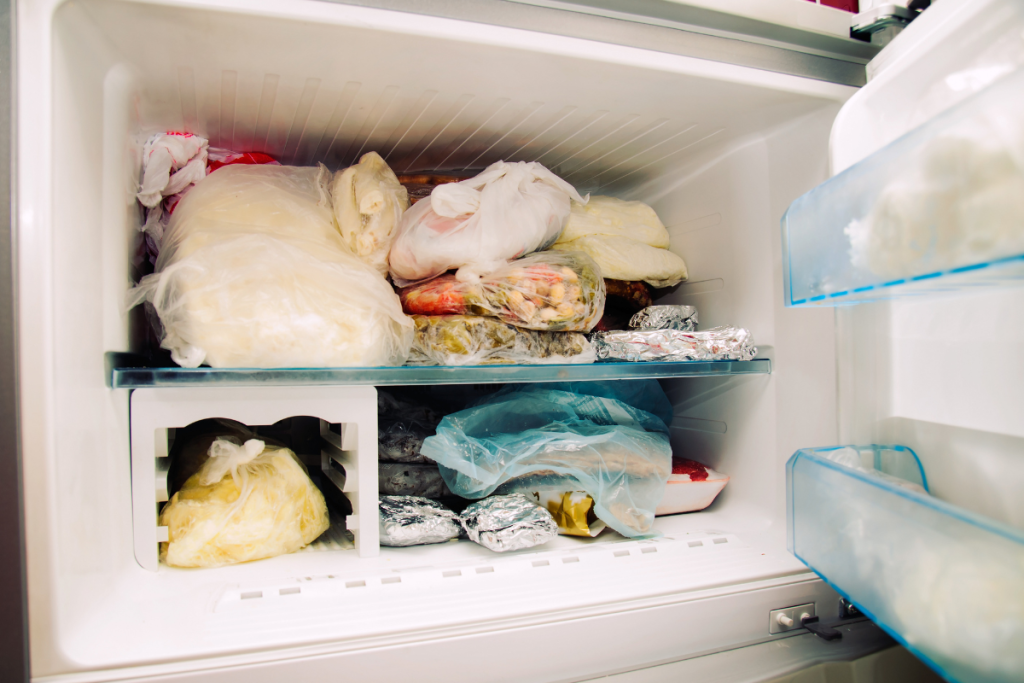
Poor Air Circulation Inside the Freezer
Consistent airflow is essential for even freezing. When air cannot circulate properly, certain areas of the freezer may become warmer than others.
This can lead to uneven freezing, where some items develop freezer burn while others remain unaffected.
Make sure vents are not blocked and avoid overpacking the freezer. If airflow problems continue despite proper organization, professional repair may be needed to correct an internal issue affecting circulation.
Malfunctioning Evaporator Fan Motor
If airflow is not the issue, the next area to consider is how cold air is being distributed throughout the freezer. The evaporator fan motor plays a key role in moving air evenly through the compartment.
If it is not operating correctly, cold air may not reach all areas as it should. Because this involves internal components, professional repair is usually needed to restore proper airflow and consistent freezing.
Temperature Control or Thermostat Issues
Another possible cause is a problem with the system responsible for regulating the freezer’s cooling cycles. When the temperature control or thermostat is not working properly, the freezer may cool too much, not enough, or cycle unevenly.
In most cases, a freezer should stay at 0°F or below to keep food safely frozen and help prevent moisture loss. Freezer burn becomes more likely when temperatures fluctuate or rise above that point, causing food to partially thaw and refreeze.
If temperature problems continue even after checking organization, airflow, and door seals, professional repair may be needed to diagnose and correct the control system issue.
How to Help Prevent Freezer Burn
Try these simple steps to improve freezer performance and reduce freezer burn:
- Check the freezer temperature. Make sure the freezer is set to 0°F or below. Use a freezer thermometer to confirm the temperature stays consistent.
- Open the door less often. Frequent door opening lets warm, humid air inside, which can lead to frost buildup and temperature swings.
- Inspect the door gasket. Look for cracks, gaps, or loose areas around the seal. A damaged gasket can let warm air enter and affect freezing performance.
- Clean the door seal. Wipe the gasket with warm soapy water to remove debris that may prevent the door from sealing properly.
- Do not block the vents. Cold air needs to move freely through the freezer. Keep food from pressing against interior vents.
- Avoid overpacking the freezer. Leave some space between items so air can circulate and keep temperatures even throughout the compartment.
- Wrap food tightly. Use airtight containers, freezer bags, or heavy-duty freezer wrap to reduce air exposure and moisture loss.
- Defrost excessive frost buildup. If frost becomes heavy, removing it can help restore airflow and more consistent cooling.
- Keep the freezer organized. An organized freezer makes it easier to find items quickly and reduces how long the door stays open.
If freezer burn continues after trying these steps, the problem may be related to a faulty door seal, evaporator fan motor, thermostat, or defrost system, and professional repair may be needed.
Final Thoughts: Freezer Causing Freezer Burn
A freezer causing freezer burn is often a sign that your appliance is struggling to maintain the right conditions for food preservation.
Same Day Appliance Repair offers professional freezer repair in Boston to ensure your freezer is operating efficiently and keeping your food protected.
