
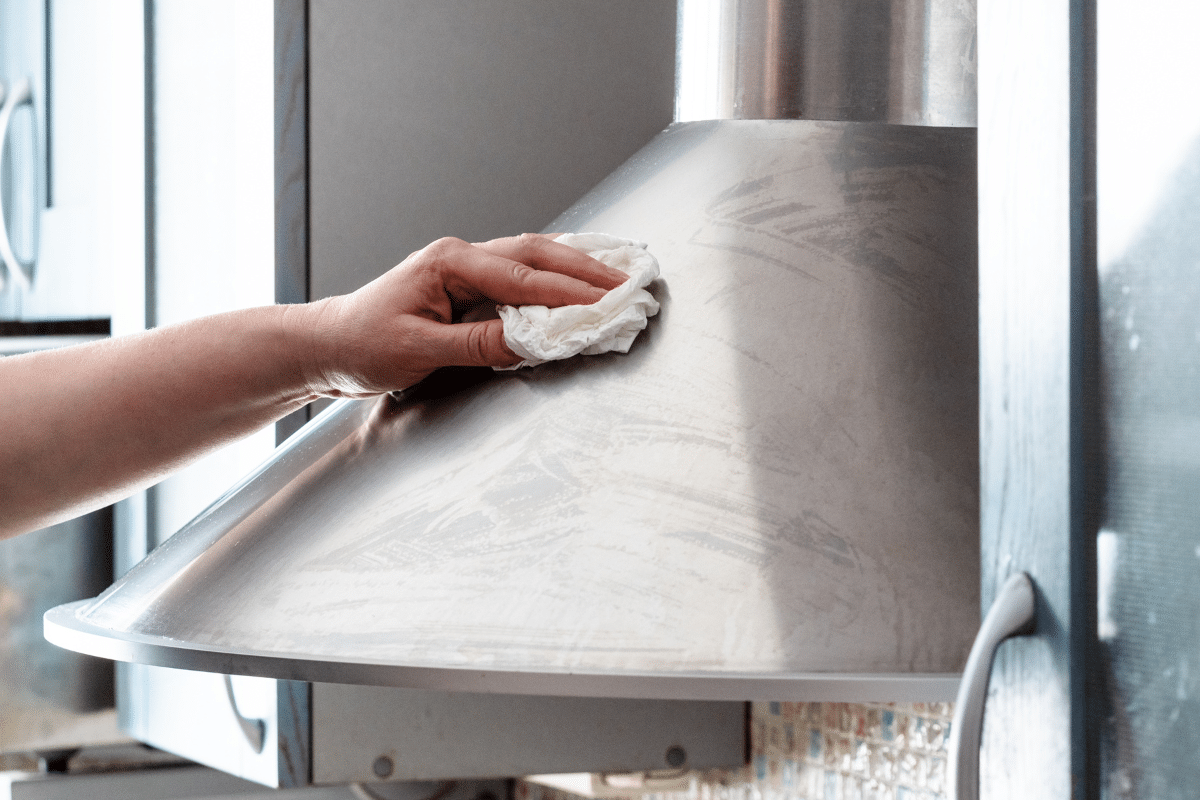
Stainless steel appliances bring a touch of elegance and modern design to any kitchen. While stainless steel is known for its durability and resistance to corrosion, its pristine appearance can quickly fade under fingerprints, smudges, and water spots.
Cleaning stainless steel isn’t about scrubbing harder—it’s about choosing the right methods and products. Using the wrong cleaner can dull the surface or damage the protective coating that keeps the metal rust-free. Understanding what causes stains, which cleaning materials are safe, and how to prevent buildup is essential to keeping your appliances in their best condition.
How to Clean Stainless Steel Appliances
Stainless steel is built to withstand daily wear, but its polished surface reveals every fingerprint, smudge, and streak. Regular care prevents buildup, keeps your kitchen looking polished, and helps your appliances last longer.
With just a few simple techniques and precautions, you can clean stainless steel safely without causing damage to its finish.
Common Causes of Stainless Steel Stains and Smudges
The most common reason stainless steel starts to look dull is everyday contact. Fingerprints leave behind natural oils that cling to the metal, creating smudges that attract dust and grime. Cooking grease and airborne residue from stovetops can also settle on surfaces, especially near ovens and range hoods.
Water spots are another frequent culprit. Hard water contains minerals like calcium and magnesium, which leave visible deposits when droplets dry on the surface. If not cleaned promptly, these can create dull patches or streaks.
Improper cleaning products can make things worse—ammonia or chlorine-based sprays can react with the metal and damage its protective layer, causing discoloration or fine scratches over time.

Cleaning Techniques for Stainless Steel Surfaces
The best way to clean stainless steel appliances is to use gentle tools and cleaners that protect the finish. A soft microfiber cloth works perfectly — it lifts dust, oil, and smudges without scratching. Always wipe in the direction of the grain to prevent streaks and maintain a smooth, polished look.
Daily Cleaning
For everyday upkeep, you don’t need harsh chemicals.
- Mix a few drops of mild dish soap with warm water.
- Dampen your microfiber cloth and wipe down the surface.
- Rinse with a clean, damp cloth to remove any soap residue.
- Dry immediately with another soft towel to prevent water spots — even small droplets can leave mineral marks if left to dry.
Removing Stubborn Smudges or Grease
If fingerprints or streaks persist, try a vinegar-and-water solution made from equal parts white distilled vinegar and water. Vinegar helps cut through grease and dissolve hard water spots. Always test vinegar on a small, hidden area first, and check your appliance manual before using it. Some specialty coatings may react differently.
Polishing for a Brilliant Shine
To restore a streak-free shine, apply a tiny amount of mineral oil or a stainless steel cleaner made for your appliance brand.
- Use a clean microfiber cloth.
- Wipe gently along the grain.
- Avoid cooking oils (like olive or vegetable oil), which can leave a sticky film and attract more fingerprints.
A light polish creates a protective barrier that keeps your appliances shining longer — without buildup.
When to Call a Professional
If you still notice stains, discoloration, or rough patches after cleaning, it’s best to contact a professional. Persistent residue or visible corrosion may indicate surface damage that requires expert care to prevent worsening.
What to Avoid When Cleaning Stainless Steel
Just as important as what to use is knowing what not to use.
Avoid these common mistakes to keep your stainless steel safe:
- Bleach, ammonia, or chlorine-based cleaners — these can cause discoloration and corrosion.
- Abrasive pads or steel wool — they scratch the surface and remove the protective finish.
- Furniture polish or wax sprays — they leave a residue that dulls the shine over time.
- Too much water or moisture — standing water can stain or leave mineral deposits near seams.
Different stainless steel finishes react differently, so always check your appliance manual before trying any new cleaner.
Preventative Care for Long-Lasting Shine
Keeping stainless steel beautiful is mostly about consistency.
- Wipe regularly: A quick pass with a dry microfiber cloth removes dust and prevents buildup.
- Clean spills quickly: Especially acidic or salty substances like tomato sauce or citrus juice.
- Apply a light polish: Every few weeks, use mineral oil or stainless steel conditioner to protect against fingerprints and smudges.
- Maintain airflow: Good kitchen ventilation reduces grease and humidity that can dull the finish.
A few minutes of routine care can keep your appliances looking brand-new — and extend their lifespan.
Final Thoughts On How To Clean Stainless Steel Appliances
Stainless steel appliances are timeless, but their beauty depends on proper care. By cleaning gently, wiping with the grain, and avoiding harsh chemicals, you’ll preserve their sleek shine and long-lasting durability.
For expert appliance repair, trust our Boston appliance repair specialists to keep your appliances performing their best.
